



Bioidentical Hormone Therapy: What the Label Actually Means
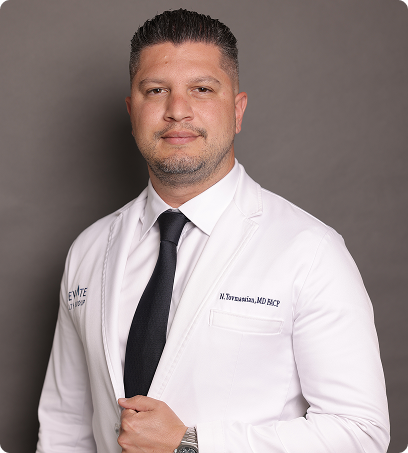
Most articles on bioidentical hormone replacement therapy open by contrasting it with "synthetic" hormones, usually implying the first is natural and safe and the second is not. That framing is the main reason patients arrive confused, because it describes a divide that does not exist in the way it suggests.
Elevate Health Group provides hormone replacement therapy in Glendale, Burbank, and La Cañada. This page explains what the term actually means, which options have been reviewed by the FDA, and what changed in 2026 that most pages have not caught up with.
What "Bioidentical" Actually Means
Bioidentical describes hormones with the same molecular structure as those the human body produces. It is a description of chemistry, not of origin, quality, or regulatory status.
Here is the part that surprises most people: many bioidentical hormones are FDA approved. Estradiol, available as patches, gels, and sprays, is bioidentical. Micronized progesterone is bioidentical. These have been through the full FDA review process for safety, effectiveness, and manufacturing quality.
So bioidentical is not the opposite of approved, and it is not the opposite of synthetic either. Most bioidentical hormones are manufactured in a laboratory, which is what synthetic means. The two words are not antonyms, however often they are presented that way.
The distinction that genuinely matters is different: is the product FDA approved, or is it compounded?
The Divide That Does Matter
| FDA-approved hormone therapy | Compounded hormone therapy | |
|---|---|---|
| Reviewed for safety and effectiveness | Yes | No |
| Manufacturing quality overseen by FDA | Yes | No |
| Dose consistency verified | Yes | Not verified by FDA |
| Available as bioidentical | Yes, estradiol and micronized progesterone among others | Yes |
| Typical forms | Patches, gels, sprays, capsules, vaginal preparations | Creams, troches, pellets, custom combinations |
| Insurance coverage | Often | Usually not |
The National Academies of Sciences, Engineering, and Medicine reviewed compounded bioidentical hormone therapy in 2020 and found the evidence insufficient to support its safety and effectiveness, recommending its use be restricted. ACOG has taken a similar position, advising FDA-approved products in preference to compounded ones where a suitable approved option exists.
Elevate Health Group does not market or recommend any hormone preparation for a use the FDA has not approved, and we do not claim that compounded preparations are safer or more effective than approved ones. Individual responses vary and outcomes are not guaranteed.
What Changed in 2026
For two decades, systemic hormone therapy carried a boxed warning, the FDA's most prominent safety warning, covering cardiovascular disease, breast cancer, and probable dementia. It dated from the Women's Health Initiative findings and it shaped a generation of prescribing.
The FDA began removing those risk statements in November 2025, and on 12 February 2026 announced approved labeling changes for a first batch of six menopausal hormone therapy products, following a review of the scientific literature. Twenty-nine drug companies have submitted proposed labeling changes.
This matters for anyone weighing their options. A large part of why patients sought out compounded alternatives in the first place was anxiety about that warning on the approved products. That particular reason has substantially changed, and it applies to the FDA-approved products specifically, not to compounded preparations, which were never covered by the same review.
Hormone therapy still carries real risks and is not right for everyone. The change narrows what the label warns about; it does not remove the need for an individual assessment.
About Pellets
Compounded hormone pellets, inserted under the skin and releasing hormone over several months, are not FDA approved. Some testosterone pellet products are FDA approved, so approval depends on the product rather than the delivery route. Both NASEM and ACOG have noted the limited evidence base for compounded hormone therapy, including the difficulty of adjusting or stopping a dose once a pellet is in place.
Some patients strongly prefer them, usually for the convenience of not managing a daily or weekly routine. That preference is legitimate. What matters is that you are told plainly what you are receiving and how it is regulated, so the choice is an informed one rather than an assumed one.
What a Proper Evaluation Involves
Before any hormone therapy begins, expect:
- A full symptom history and discussion of what you are hoping to change
- Baseline laboratory testing through our on-site laboratory, typically including estradiol, testosterone, progesterone, and thyroid, with PSA for men
- Review of your personal and family history, including breast cancer, blood clots, and cardiovascular disease
- A clear statement of which preparation is being proposed and whether it is FDA approved
- An agreed follow-up schedule with repeat labs
- A discussion of what happens if you want to stop
Hormone therapy is not a one-time decision. It needs monitoring, and the dose that suits you at the start may not be the one that suits you a year in.
On Cost
FDA-approved hormone therapy is frequently covered by insurance, which is a practical advantage that often goes unmentioned. Compounded preparations, including pellets, are generally self-pay.
Because formulations and dosing differ by patient, pricing is confirmed at consultation rather than published as a flat figure. Ask any provider to tell you both the cost and whether the product is approved or compounded, since those two answers together are what you are really comparing.
Service Area
Hormone therapy is available at our Glendale, Burbank, and La Cañada offices, serving Pasadena, Toluca Lake, and greater Los Angeles County. Care is available in Armenian, Persian, Russian, and Spanish as well as English. Meet our physicians.
Frequently Asked Questions
Need Help? Find Answers Here
If you are considering hormone therapy, the most useful first step is a conversation with a physician who will tell you plainly which preparation is being proposed, whether it is FDA approved, and what the evidence does and does not support. Elevate Health Group sees adult patients in Glendale, Burbank, and La Cañada. Call 818-246-8000 or contact our office to arrange an evaluation.
YOU MIGHT ALSO ENJOY...

Galleri Multi-Cancer Test: What It Does and What the Trial Found
What the Galleri test screens for, how results work, its current FDA status, and what the 142,000-person NHS trial actually found in 2026.
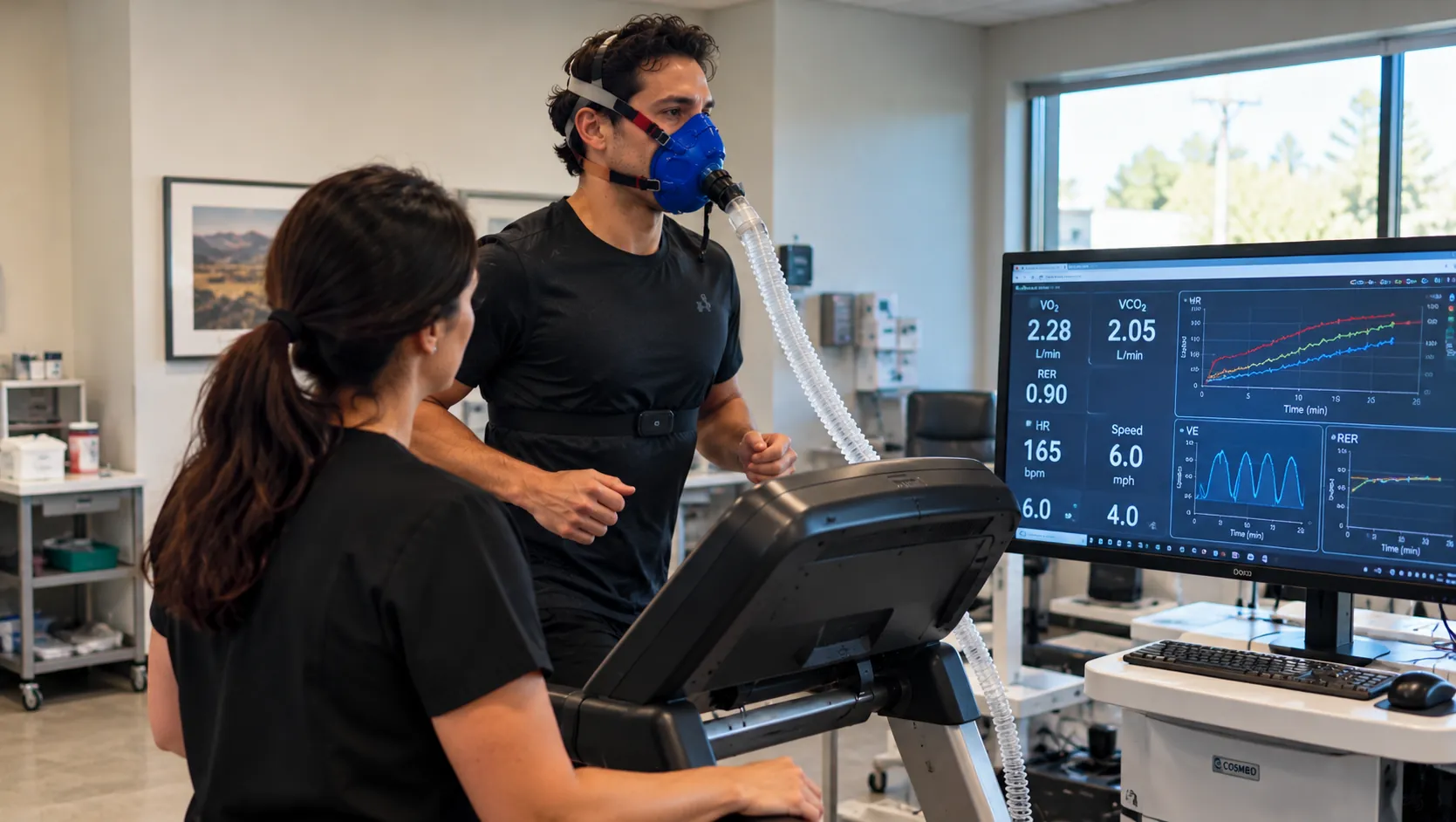
Metabolic Testing: What RMR and VO2 Max Each Actually Measure
RMR and VO2 max measure two different things. What each test tells you, how results change a care plan, and when either is worth doing.
Our Locations:
214 N Central Ave, Glendale, CA 912031407 Foothill Blvd, La Canada, CA 910113808 W. Riverside Dr, Ste 120, Burbank, CA 91505Hours of Operation:
Mon - Fri: 8:00 AM to 12:00 PM, 1:00 PM to 5:00 PM
Sat - Sun: Closed
© 2026 Elevate Health Group. All rights reserved.
 Designed & Developed by The Gud Agency