



Internal Medicine vs Primary Care in LA: Which Doctor Should You See?
When choosing a doctor, you'll see terms like "primary care physician," "internal medicine," "family medicine," and "general practitioner" used almost interchangeably. But these aren't the same thing, and the differences matter for the quality of care you receive. If you're an adult with multiple chronic conditions, seeing an internist makes more sense than a family medicine doctor. If you want one doctor for your entire family, family medicine is the better choice.
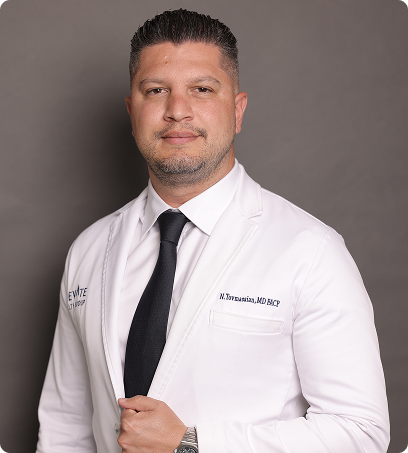
This guide breaks down the actual differences between internal medicine and primary care in Los Angeles — what each specialty does, when you should see which type of doctor, and how to choose the right one for your situation. Our internal medicine physicians at Elevate Health Group provide comprehensive adult care at our Glendale, Burbank, and La Cañada locations.
What "Primary Care" Actually Means
Primary care is a category, not a specialty. It refers to your first point of contact for healthcare — the doctor who manages your overall health, coordinates specialists, handles preventive care, and treats common acute illnesses.
Three specialties provide primary care:
- Internal Medicine (Internists) — Specialize in adult medicine (18+)
- Family Medicine — Treat patients of all ages (newborns through elderly)
- Pediatrics — Specialize in children and adolescents (0–18)
All three are considered "primary care physicians," but their training, scope, and patient populations differ significantly.
Internal Medicine: Adult Medicine Specialists
Internal medicine physicians (internists) complete medical school plus three additional years of residency training focused exclusively on adult medicine. Their training emphasizes complex chronic disease management, diagnostic reasoning, and managing patients with multiple interacting conditions.
What internists do best:
- Manage complex chronic diseases (diabetes, heart disease, autoimmune disorders)
- Coordinate care among multiple specialists
- Diagnose difficult or unusual medical conditions
- Handle medication management for patients on 5+ prescriptions
- Provide preventive care and health screenings for adults
What internists don't typically do:
- Treat children (they're not trained in pediatrics)
- Perform obstetric care or deliver babies
- Conduct gynecological exams (though some do)
- Treat sports injuries or perform orthopedic procedures
Best for: Adults with chronic medical conditions, complex health needs, or multiple specialists. If you have diabetes, hypertension, and high cholesterol, an internist's training is specifically designed for your situation.
At Elevate Health Group, our internal medicine physicians manage conditions like diabetes, hypertension, high cholesterol, and thyroid disorders.
Family Medicine: Whole-Family Care
Family medicine physicians complete medical school plus three years of residency that covers pediatrics, adult medicine, obstetrics, minor surgery, and geriatrics. They're trained to be generalists who can treat patients across the entire lifespan.
What family medicine doctors do:
- Provide care for all ages (newborns, children, adults, elderly)
- Deliver babies and provide prenatal/postpartum care
- Treat common acute illnesses across age groups
- Perform minor procedures (sutures, joint injections, skin biopsies)
- Manage straightforward chronic conditions
Best for: Families who want one doctor for everyone. Parents who want their kids and themselves seen by the same physician. People in generally good health without complex medical needs.
Internal Medicine vs Family Medicine: Key Differences
| Factor | Internal Medicine | Family Medicine |
|---|---|---|
| Patient age range | Adults only (18+) | All ages (0–100+) |
| Training focus | Deep adult medicine expertise | Broad generalist training |
| Chronic disease complexity | Handles highly complex cases | Manages straightforward cases |
| Pediatric care | No | Yes |
| Obstetric care | No | Yes (prenatal/delivery/postpartum) |
| Best for | Adults with multiple chronic conditions | Families wanting one doctor |
Both can serve as your primary care physician. The choice depends on your life stage and health complexity.
When to Choose an Internist Over a Family Medicine Doctor
You should see an internist if you:
- Are an adult with one or more chronic diseases
- Take multiple medications that need careful coordination
- Have seen multiple specialists and need care integrated
- Have complex diagnostic needs
- Prefer a doctor whose training focused entirely on adult medicine
Example scenarios:
- 55-year-old with diabetes, high blood pressure, high cholesterol, and sleep apnea
- 40-year-old with autoimmune disease requiring immunosuppressant medications
- 65-year-old post-heart attack managing cardiac rehab and medications
- Anyone with 3+ chronic conditions requiring ongoing management
Our general medicine service provides comprehensive internal medicine care for complex adult patients.
When Family Medicine Makes More Sense
You should see a family medicine doctor if you:
- Want one doctor for your entire family
- Are generally healthy without complex chronic diseases
- Need pediatric care integrated with adult care
- Prefer a doctor trained in minor procedures and OB care
- Value broad generalist expertise over specialized depth
Example scenarios:
- Parents with young children wanting one doctor for the family
- Healthy adults under 50 with no chronic conditions
- Families in areas where specialist access is limited
- People who value continuity across all family members
What About General Practitioners?
"General Practitioner" (GP) is an older term that's less common now. Historically, GPs practiced medicine without completing residency training after medical school. Today, nearly all doctors complete residency, so "GP" often refers informally to family medicine or internal medicine physicians providing primary care.
If you see "GP" in a doctor's title, check their board certification:
- Board Certified in Internal Medicine → They're an internist
- Board Certified in Family Medicine → They're a family medicine doctor
Subspecialties Within Internal Medicine
Some internists pursue additional fellowship training (2–3 years) in subspecialties:
Common internal medicine subspecialties:
- Cardiology (heart disease)
- Endocrinology (diabetes, thyroid, hormones)
- Gastroenterology (digestive system)
- Nephrology (kidney disease)
- Rheumatology (autoimmune/arthritis)
- Pulmonology (lung disease)
These subspecialists focus narrowly on one organ system. They're not primary care doctors — they're consultants your primary care doctor refers you to for specific issues.
Hospitalists: Internists who work exclusively in hospitals, managing inpatients. They don't see outpatients in clinics.
How Training Differences Affect Your Care
Internal Medicine residency breakdown:
- 36 months total
- Hospital rotations: cardiology, ICU, infectious disease, nephrology, endocrinology
- Outpatient clinic continuity
- Focus on complex diagnostic reasoning and managing multiple conditions
Family Medicine residency breakdown:
- 36 months total
- Pediatrics (6 months)
- Obstetrics/gynecology (3 months)
- Internal medicine (6 months)
- Surgery, psychiatry, emergency medicine rotations
- Focus on breadth across age groups and settings
The difference: Internists spend 3 years becoming experts in adult medicine. Family medicine doctors spend those 3 years becoming competent across all ages and settings, with less depth in any single area.
For complex adult medicine, depth wins. For whole-family care, breadth wins.
What Both Provide: Core Primary Care Services
Whether you see an internist or family medicine doctor, expect:
Preventive care: Annual physicals, vaccinations, cancer screenings. Our adult physical exams are comprehensive.
Chronic disease management: Diabetes, hypertension, high cholesterol, asthma, COPD.
Acute illness care: Respiratory infections, UTIs, minor injuries. Our urgent care handles same-day needs.
Care coordination: Referrals to specialists, tracking test results, managing multiple providers.
Diagnostic services: Labs, EKG, imaging coordination. Our on-site laboratory delivers same-day results.
Choosing the Right Doctor in Los Angeles
Questions to ask when choosing:
- What's your board certification? (Internal Medicine vs Family Medicine)
- Do you accept new adult patients?
- What's your approach to managing [your specific conditions]?
- Do you have on-site diagnostic capability?
- Can you see me same-day when I'm sick?
Check credentials: California Medical Board website shows board certification, education, and disciplinary history.
Consider panel size: Doctors managing 2,000+ patients can't provide the same access as those with 800–1,200.
The Elevate Health Group Approach
Our internal medicine physicians provide comprehensive adult care with:
Deep expertise in adult medicine: All our doctors are board-certified in internal medicine with specialized training in complex disease management.
Same-day access: We maintain small panel sizes so established patients get seen when they're actually sick.
On-site diagnostics: Laboratory, EKG, and VO2 max testing deliver answers the same day.
Integrated care: Our preventive medicine, chronic disease programs, and urgent care work together seamlessly.
Conclusion
Internal medicine and family medicine are both primary care specialties, but they're not interchangeable. Internists provide deep expertise in adult medicine and excel at managing complex chronic conditions. Family medicine doctors offer breadth across all ages and are ideal for family-centered care.
For adults in Los Angeles — especially those with chronic health conditions or multiple specialists — internal medicine provides the depth of training and expertise that complex health needs require.
At Elevate Health Group, our board-certified internists serve adults across Glendale, Burbank, and La Cañada. We accept most major insurance, offer same-day sick visits, and provide comprehensive adult medicine the way it should work.
Schedule your first appointment or learn more about our internal medicine services.
Frequently Asked Questions
Need Help? Find Answers Here
Related Posts

Top-Rated Primary Care Doctors Accepting New Patients in Burbank & Los Angeles County
Find top-rated primary care doctors in Burbank and LA County accepting new patients with an insurance guide.
How to Get Tested for ADHD in California: Assessment Process, Cost and Timeline
Wondering how to get tested for ADHD as an adult in California? See the assessment process, what it costs, and how long diagnosis takes.
Our Locations:
214 N Central Ave, Glendale, CA 912031407 Foothill Blvd, La Canada, CA 910113808 W. Riverside Dr, Ste 120, Burbank, CA 91505Hours of Operation:
Mon - Fri: 8:00 AM to 12:00 PM, 1:00 PM to 5:00 PM
Sat - Sun: Closed
© 2026 Elevate Health Group. All rights reserved.
 Designed & Developed by The Gud Agency