


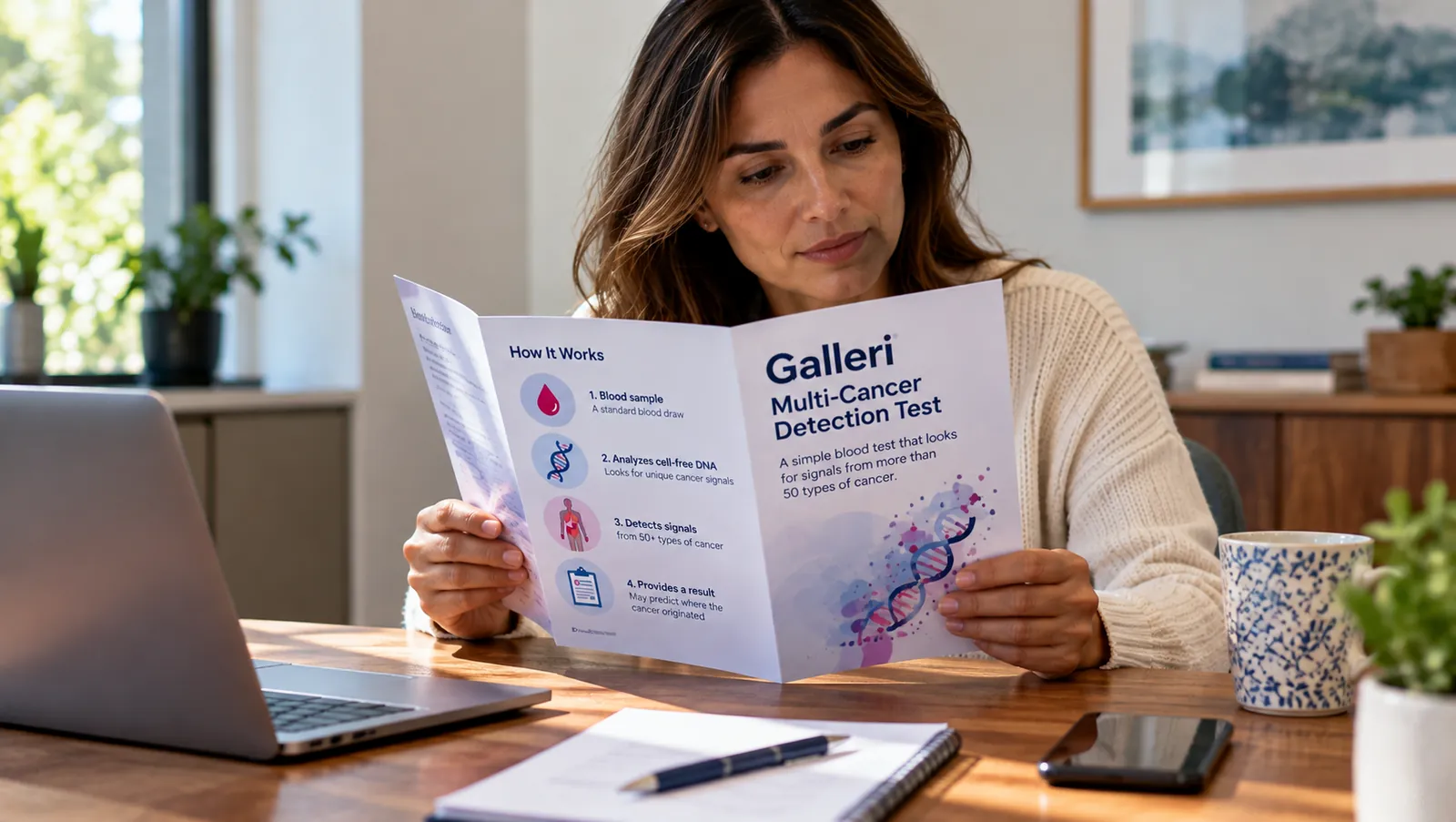
Galleri Multi-Cancer Test: What It Does and What the Trial Found
The Galleri test is a blood test that looks for signals of more than 50 types of cancer, including many with no recommended screening test of their own. The appeal is obvious, and the marketing around it is confident.
The evidence picture changed significantly in 2026, and most pages about this test have not caught up. Elevate Health Group offers Galleri testing at our Glendale, Burbank, and La Cañada offices, and we would rather you decide on the current evidence than on last year's marketing.
What It Is and How It Works
Galleri analyses cell-free DNA, genetic material that cells shed into the bloodstream. Cancer cells release DNA with distinctive chemical patterns, and the test looks for those patterns from a standard blood draw.
If a signal is detected, the test also predicts where in the body the cancer may have originated, which guides the follow-up workup. Results typically take around two weeks.
Its stated strength is specificity, reported at 99.5%, meaning false positives are uncommon. Specificity is not the same as sensitivity, and the distinction is the single most important thing to understand before taking this test.
What the NHS Trial Found
This is the part worth reading closely.
The NHS-Galleri trial enrolled roughly 142,000 adults aged 50 to 77 in England and followed them for three years, adding annual Galleri screening to standard care. It is by a wide margin the largest randomised trial of a multi-cancer early detection test.
Its primary endpoint was a statistically significant reduction in Stage III and Stage IV cancer diagnoses. That endpoint was not met. Results were published in the New England Journal of Medicine and presented at ASCO in 2026.
The investigators reported a favourable trend in a prespecified group of twelve cancer types, and a reduction in Stage IV diagnoses compared with standard care alone. GRAIL's chief executive described the trial as the strongest evidence to date that multi-cancer detection can shift the stage at which cancers are found. Analysts, and GRAIL's share price, read the missed endpoint rather differently.
Both readings can be partly true. What is not true is that the trial proved the test reduces late-stage cancer. It did not.
Where It Stands With the FDA
Galleri is not currently FDA approved. It has been available by prescription as a laboratory developed test.
GRAIL submitted a premarket approval application on 29 January 2026. On 23 September 2026, the FDA's Molecular and Clinical Genetics Devices Panel voted in favour of approval for adults aged 50 and over. The panel voted unanimously on safety, 7 to 2 with one abstention on benefits versus risks, and 6 to 4 on effectiveness.
An advisory panel vote is a recommendation, not an approval. The FDA's decision is expected in the coming months. The narrow split on effectiveness is worth noting, because it mirrors the trial result.
The Thing That Matters Most About Results
A negative Galleri result does not mean you do not have cancer.
The test detects a minority of cancers overall, and detection rates are lower at earlier stages, which is precisely where screening is supposed to help. A "no cancer signal detected" result means no signal was found in that sample on that day. It is not a clean bill of health.
This test does not replace mammography, colonoscopy, cervical screening, lung cancer screening, or prostate assessment. If a negative Galleri result leads someone to skip a colonoscopy, the test has made their situation worse rather than better. That is the single most important point on this page.
A positive result means a cancer signal was detected and a diagnostic workup follows, usually imaging and sometimes biopsy, guided by the predicted site of origin. Some positives turn out not to be cancer, and the interval between result and resolution can be an anxious one.
Who Might Reasonably Consider It
Galleri is positioned for adults aged 50 and over, and for those at elevated risk, including people with a significant family history. It is worth discussing if:
- You are up to date on all your standard recommended screenings already
- You understand it supplements those screenings rather than replacing any of them
- You are comfortable with the possibility of a false positive and the workup that follows
- You have thought about how you would handle an inconclusive or anxious waiting period
- The out-of-pocket cost is manageable for you, as insurance generally does not cover it
It is a poorer fit if you are behind on standard screening, because catching up on those has a far stronger evidence base, or if an uncertain result would cause distress disproportionate to the information gained.
What It Costs
Galleri is self-pay. Insurance generally does not cover multi-cancer early detection testing, in part because it is not yet FDA approved and is not recommended by the US Preventive Services Task Force.
Current pricing, including bundled options, is listed on our early cancer detection page. Any follow-up imaging prompted by a positive result is billed separately, and that is worth factoring in before you order the test.
Service Area
Galleri testing is available at our Glendale, Burbank, and La Cañada offices, with the blood draw handled through our on-site laboratory. Care is available in Armenian, Persian, Russian, and Spanish as well as English.
Frequently Asked Questions
Need Help? Find Answers Here
If you are weighing this test, the useful conversation is about where you are with standard screening first, and whether the added information would change anything for you. Elevate Health Group sees adult patients in Glendale, Burbank, and La Cañada. Call 818-246-8000 or contact our office to discuss whether it fits your situation.
YOU MIGHT ALSO ENJOY...
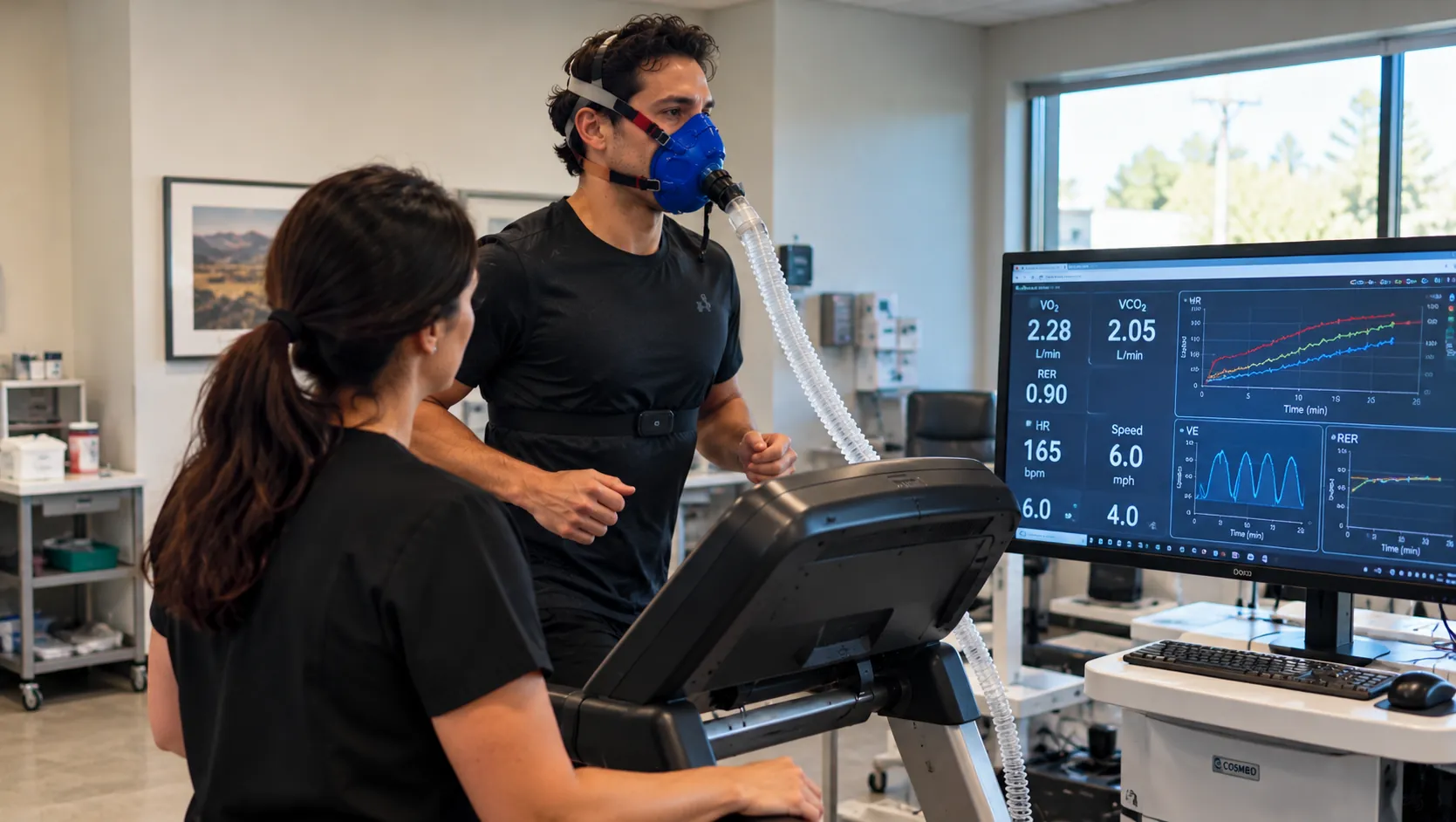
Metabolic Testing: What RMR and VO2 Max Each Actually Measure
RMR and VO2 max measure two different things. What each test tells you, how results change a care plan, and when either is worth doing.
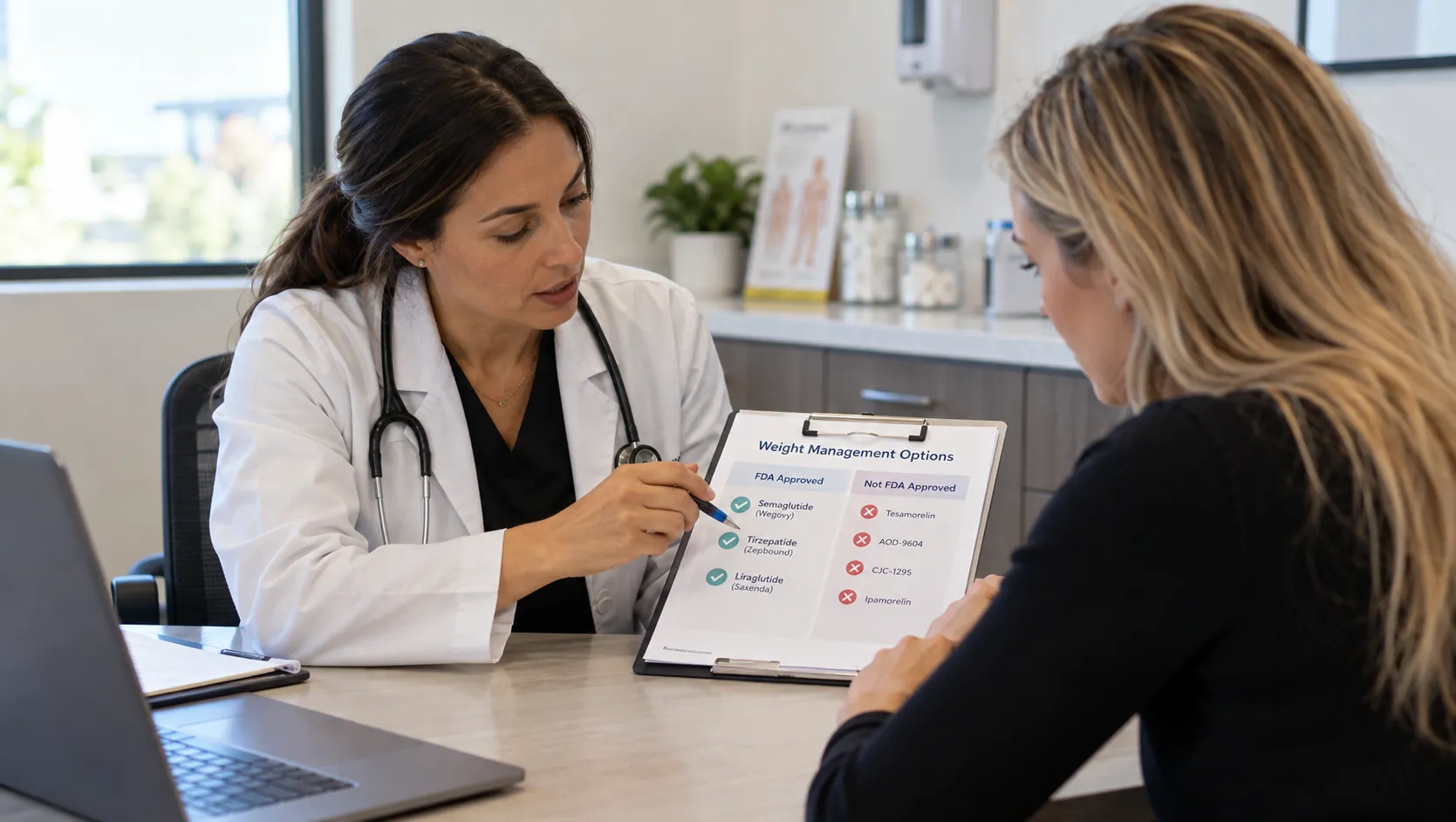
Peptides and Weight Loss: Approved, Not Approved, and Why It Matters
Some peptides are FDA approved for weight management and most marketed ones are not. How to tell which is which before you are prescribed anything.
Our Locations:
214 N Central Ave, Glendale, CA 912031407 Foothill Blvd, La Canada, CA 910113808 W. Riverside Dr, Ste 120, Burbank, CA 91505Hours of Operation:
Mon - Fri: 8:00 AM to 12:00 PM, 1:00 PM to 5:00 PM
Sat - Sun: Closed
© 2026 Elevate Health Group. All rights reserved.
 Designed & Developed by The Gud Agency