



Where to Get Comprehensive Allergy Testing in Los Angeles: Blood vs Skin Testing Explained
Sneezing every spring, breaking out after certain meals, or reacting to something in your home environment can all point to an allergy, but guessing at the cause rarely solves the problem. Comprehensive allergy testing identifies exactly what you are reacting to, which makes treatment far more effective than avoidance guesswork.
At Elevate Health Group, our allergy testing and immunology services are available across Glendale, Burbank, and La Cañada, combining accurate diagnostic testing with a personalized treatment plan once your triggers are identified.
Why Get Allergy Testing Instead of Guessing at Triggers
Many adults manage allergy symptoms for years with over the counter medication without ever confirming what is actually causing the reaction. Testing removes the guesswork, which matters for two reasons. It prevents you from avoiding foods or exposures unnecessarily, and it allows your provider to build a treatment plan targeted at your actual triggers rather than general allergy symptoms.
Blood Testing vs Skin Testing: How They Compare
| Testing Method | How It Works | Best For |
|---|---|---|
| Skin prick (IgE) testing | Small amounts of allergen extracts are applied to the skin to observe a reaction | Fast results, typically within 15 to 20 minutes, for environmental and many food allergens |
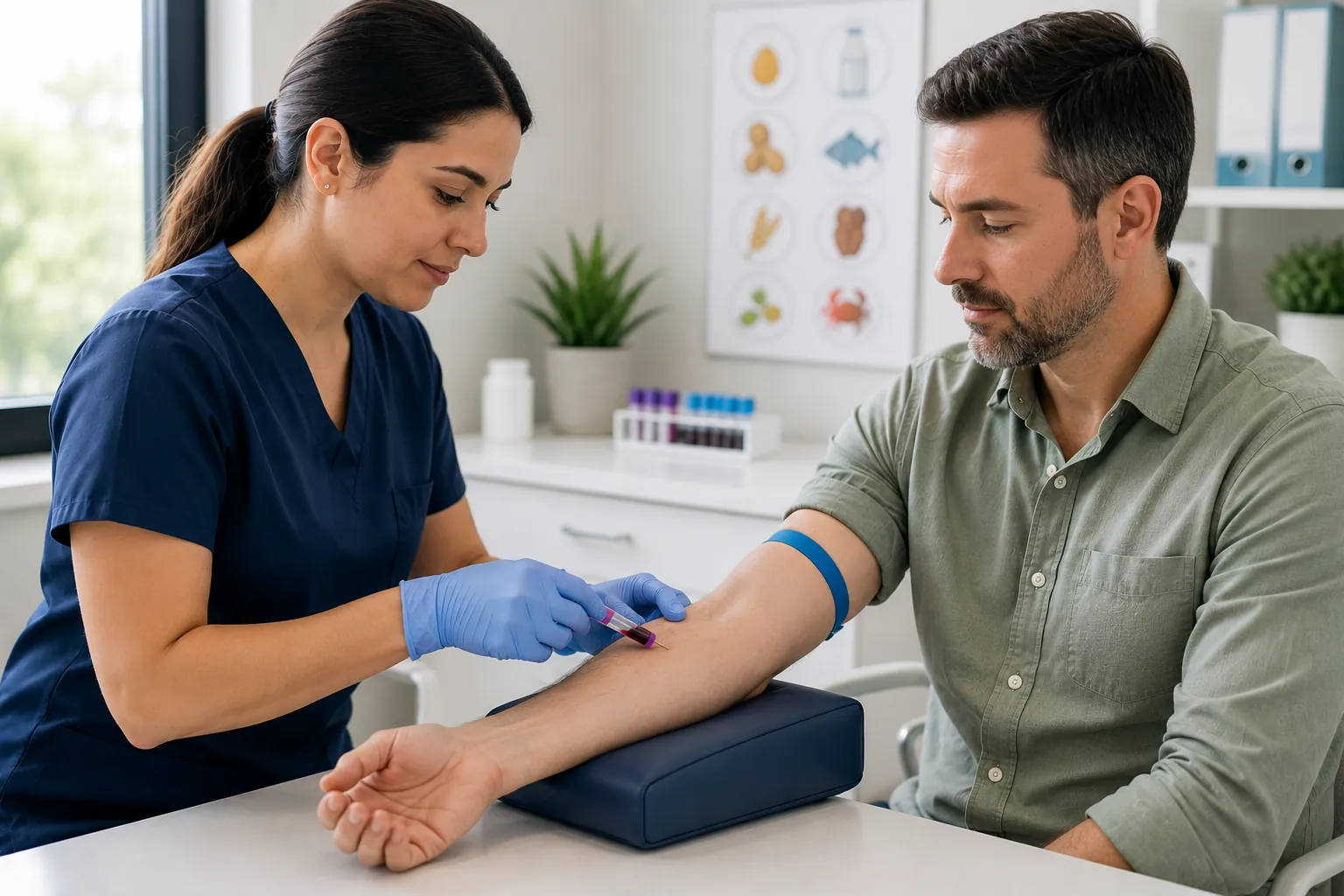
| Blood testing | A blood sample measures IgE antibody levels for specific allergens | Patients on certain medications, with skin conditions, or who prefer not to have skin testing |
Both methods are considered accurate diagnostic tools. Your provider will typically recommend one based on your symptoms, current medications, and any skin conditions that might interfere with skin testing.
What Allergens Are Typically Tested
A comprehensive allergy panel generally covers four broad categories, and your provider will tailor which specific allergens to test based on your symptoms and history.
- Environmental allergens, including pollen, dust mites, mold, and pet dander
- Food allergens, including nuts, dairy, eggs, shellfish, and wheat
- Drug allergens, including penicillin and sulfa based medications
- Insect allergens, including bee stings, wasp stings, and fire ants
What to Expect During Your Allergy Testing Appointment
| Step | What Happens |
|---|---|
| 1. Symptom review | Your provider discusses your symptoms, triggers you suspect, and relevant medical history |
| 2. Testing method selection | Skin or blood testing is chosen based on your health profile and preferences |
| 3. Testing | Skin prick tests are read within 15 to 20 minutes, while blood tests are sent for lab analysis |
| 4. Results and treatment plan | Confirmed allergens are reviewed and a personalized treatment approach is built |
Who Should Consider Allergy Testing
Testing is worth considering if you experience recurring seasonal symptoms, unexplained reactions after eating certain foods, chronic sinus congestion, skin reactions, or symptoms that over the counter allergy medication does not fully control. It is also useful if you have never had a formal diagnosis and want to confirm whether allergies, rather than another condition, explain your symptoms.
Allergy Testing Locations in Los Angeles
Elevate Health Group offers allergy testing at our Glendale, Burbank, and La Cañada offices, with same week appointments and most major insurance plans accepted.
Frequently Asked Questions
Is skin testing or blood testing more accurate?
Both methods are considered reliable diagnostic tools. Skin testing tends to give faster results, while blood testing is often preferred for patients on certain medications or with skin conditions that make skin testing less practical.
Does allergy testing hurt?
Skin prick testing involves a series of light pricks on the skin surface and is generally described as mildly uncomfortable rather than painful. Blood testing involves a standard blood draw.
How long does allergy testing take?
Skin prick testing results are typically available within 15 to 20 minutes of application. Blood testing results usually take a few days, since the sample is processed through laboratory analysis.
Do I need to stop taking allergy medication before testing?
Antihistamines can interfere with skin test results, so your provider will typically ask you to pause certain medications for several days before your appointment. Blood testing does not usually require this.
Ready to Find Out What Is Triggering Your Symptoms?
Stop guessing at what is behind your allergy symptoms. The team at Elevate Health Group offers comprehensive allergy testing across Glendale, Burbank, and La Cañada, with same week appointments available.
Call (818) 246-8000 or contact us online to schedule your allergy testing appointment.
YOU MIGHT ALSO ENJOY...

Personalized Allergy Treatment Plans: Testing, Medication and Long-Term Relief Options
Learn how personalized allergy treatment plans combine testing, medication, and long-term strategies for lasting relief.
Food Allergy Testing Near You: Cost, Insurance and Accuracy Guide
What does food allergy blood testing cost, and how accurate is it? Compare blood and skin testing for food allergies near you.