



GLP-1 Weight Loss Programs: How They Work and What They Cost
Most people searching for a GLP-1 weight loss program are really asking three questions: does this work, which drug will I actually be given, and what will it cost me every month? Those questions get answered very differently depending on who you ask, because the market now includes everything from physician-led programs to online services that ship a vial after a questionnaire.
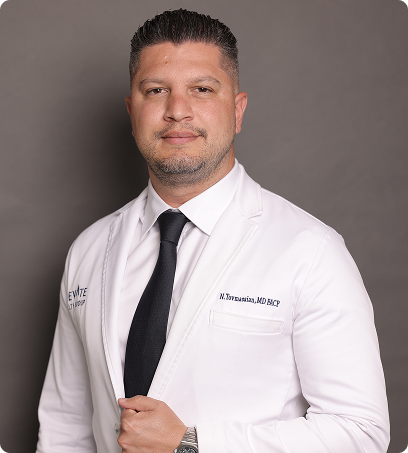
Elevate Health Group runs a physician-supervised weight loss program in Glendale, Burbank, and La Cañada. This page sets out what these medications are, which ones the FDA has actually approved for weight loss, what drives the monthly cost, and what to ask any provider before you start.
What a GLP-1 Program Includes Beyond the Medication
The medication is one component. A program built around it should also include a medical evaluation before the first dose, baseline labs, a plan for dose escalation, and scheduled follow-up to monitor how you are responding.
That matters because GLP-1 medications interact with conditions you may already be managing. Thyroid history, pancreatitis, gallbladder disease, kidney function, and existing diabetes treatment all change the picture. A prescriber who has not reviewed your history and labs is working without the information those decisions require.
Which Medications Are FDA Approved for Weight Loss
This is the distinction most articles blur. Several GLP-1 medications are approved for type 2 diabetes but not for weight management. Prescribing those for weight loss is off-label, which is legal but is not the same as an approved indication.
| Medication | Approved for weight management | Approved for type 2 diabetes |
|---|---|---|
| Zepbound (tirzepatide) | Yes | No |
| Wegovy (semaglutide) | Yes | No |
| Saxenda (liraglutide) | Yes | No |
| Mounjaro (tirzepatide) | No | Yes |
| Ozempic (semaglutide) | No | Yes |
Elevate Health Group does not market or recommend any medication for a use the FDA has not approved. Where we provide GLP-1 therapy, it is prescribed for adults who meet the clinical criteria in the approved labelling, which is generally a BMI of 30 or above, or 27 or above with at least one weight-related condition such as high blood pressure or type 2 diabetes. Whether a medication suits you is a decision your physician makes with you after reviewing your history. Response varies from patient to patient.
What It Costs Each Month
Three things determine what you pay: whether your insurance covers weight management medication, which product and dose you are on, and whether you buy through a manufacturer self-pay programme.
Many commercial plans still exclude weight loss medication even when they cover the same drug for diabetes. Checking your specific plan before you start is worth the phone call, and our guide to medical weight loss and insurance in LA covers how to ask.
For patients paying cash, both manufacturers run direct self-pay pricing. As of October 2026, Lilly lists Zepbound self-pay from $299 per month at the 2.5 mg starting dose, $399 at 5 mg, and $449 at 7.5 mg and above, with one month defined as 28 days. Novo Nordisk lists Wegovy from $349 per month for the injectable pen at standard doses, with a lower introductory rate for new patients, and the Wegovy tablet starting at $149 per month depending on dose. Both companies note pricing is subject to change, so confirm the current figure before budgeting.
A physician-supervised programme adds the cost of the visits, labs, and monitoring around the medication. That is a separate line from the drug itself, and any provider should be able to tell you which is which before you commit.
A Note on Compounded GLP-1 Products
Programmes advertising notably lower all-in pricing are often using compounded semaglutide or tirzepatide rather than the branded product. Compounded versions are not FDA approved and have not been reviewed for safety or effectiveness.
The FDA has published specific concerns about them, including dosing errors by patients and providers that have led to adverse events requiring hospitalisation, products containing ingredients that are not permitted, and products shipped without proper refrigeration. As of May 2026 the agency had received 990 adverse event reports involving compounded semaglutide and more than 730 involving compounded tirzepatide, and notes that reporting is likely incomplete.
None of that makes every compounded product dangerous, and compounding has legitimate clinical uses. It does mean you should know which you are being prescribed. Ask directly, and ask what the pharmacy source is.
What the Evaluation Covers
Before any prescription, a proper evaluation should include:
- A full medical history, including thyroid, pancreatic, and gallbladder history
- A current medication list reviewed for interactions
- Baseline labs through our on-site laboratory, including metabolic and thyroid panels
- A discussion of side effects, which are commonly gastrointestinal, and what to do if they occur
- Optional body composition assessment so progress is measured as more than a number on a scale
- A plan for what happens if the medication is stopped
That last point gets skipped often and matters most. These medications are intended for long-term management, and weight regain after stopping is common.
Service Area
Our GLP-1 and tirzepatide program is available to patients at our Glendale, Burbank, and La Cañada offices, serving Pasadena, Toluca Lake, and greater Los Angeles County. Care is available in Armenian, Persian, Russian, and Spanish as well as English.
Frequently Asked Questions
Need Help? Find Answers Here
If you are considering a GLP-1 for weight management, the most useful first step is a conversation with a physician who can look at your full history before any prescription is written. Elevate Health Group sees adult patients in Glendale, Burbank, and La Cañada. Call 818-246-8000 or contact our office to schedule an evaluation.
YOU MIGHT ALSO ENJOY...
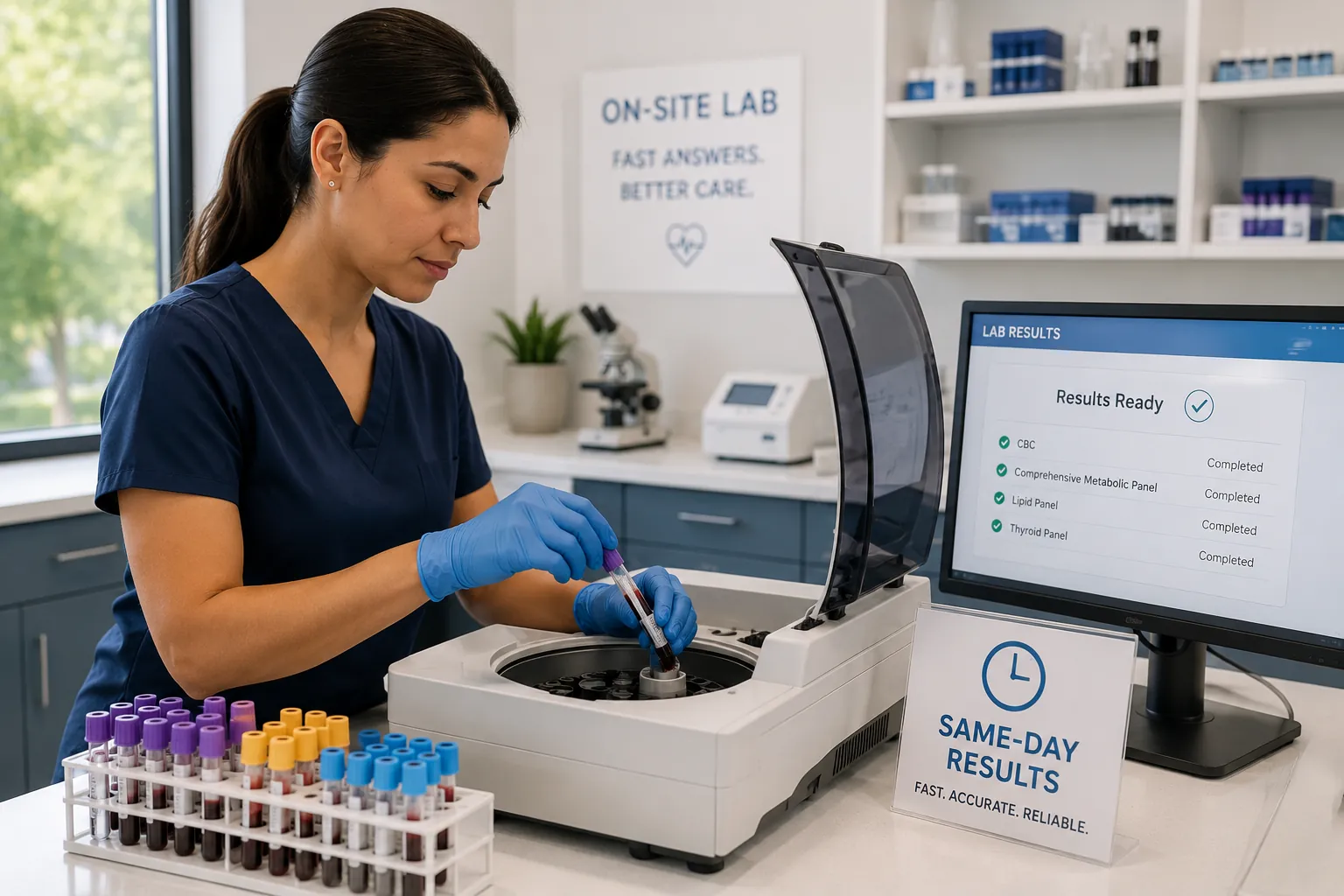
Can You Get Same-Day Blood Test Results in Los Angeles? What Labs Offer Fast Turnaround
Need same-day blood test results in Los Angeles? Learn which routine tests can be processed within hours and how Elevate Health Group's on-site lab works.
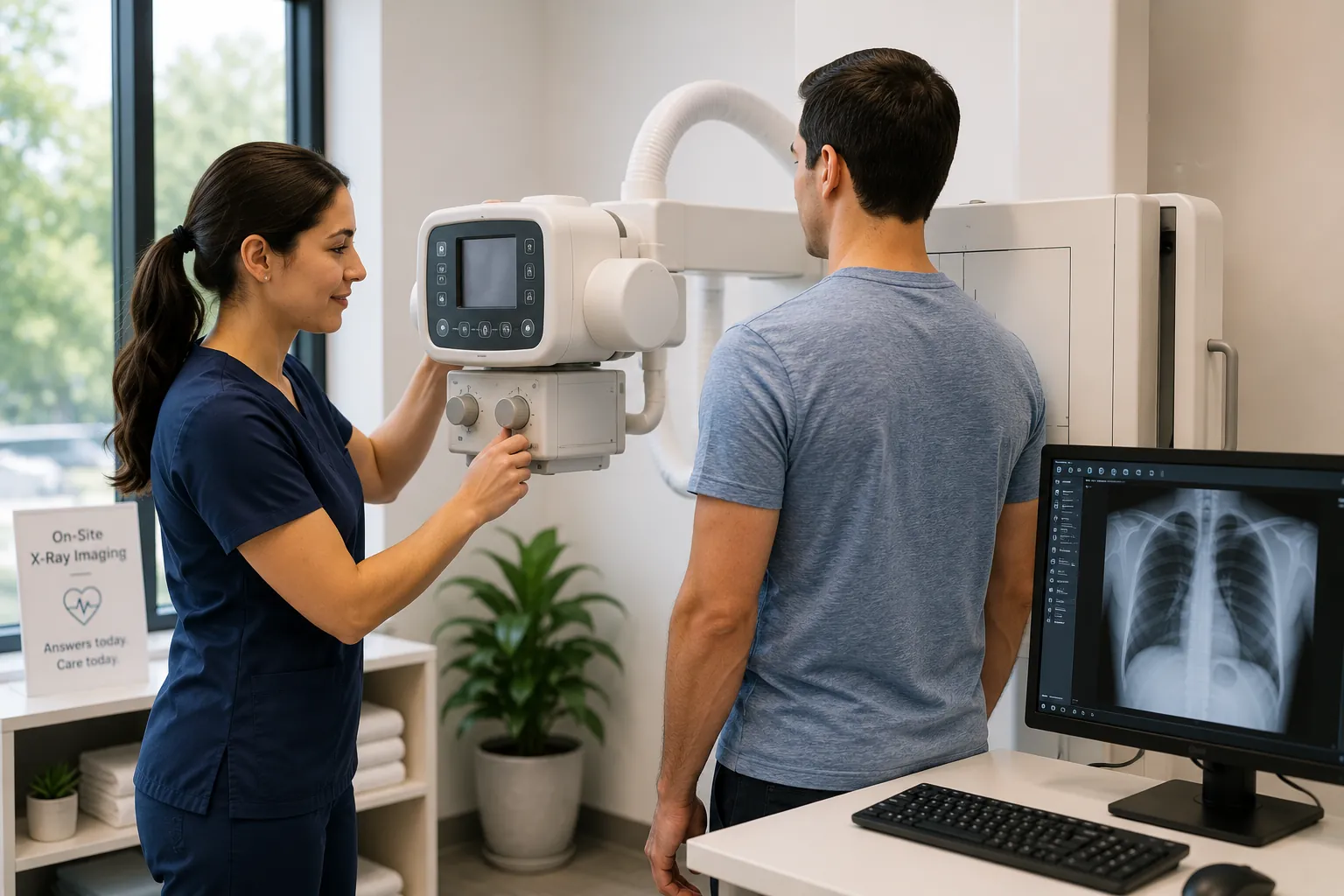
Urgent Care vs Imaging Center: Where to Get X-Rays and Diagnostic Tests Near You
Not sure where to get an X-ray in Los Angeles? Compare urgent care, imaging centers, and on-site primary care X-ray options.
Our Locations:
214 N Central Ave, Glendale, CA 912031407 Foothill Blvd, La Canada, CA 910113808 W. Riverside Dr, Ste 120, Burbank, CA 91505Hours of Operation:
Mon - Fri: 8:00 AM to 12:00 PM, 1:00 PM to 5:00 PM
Sat - Sun: Closed
© 2026 Elevate Health Group. All rights reserved.
 Designed & Developed by The Gud Agency